
freebeat

A practical definition

What is freebeat ai music and how does it work?

What is freebeat ai music? It is an AI-assisted approach to developing music ideas, visual direction, and creative output through a guided digital workflow. This page explains what Freebeat means, what it can do, and where human decisions still matter.

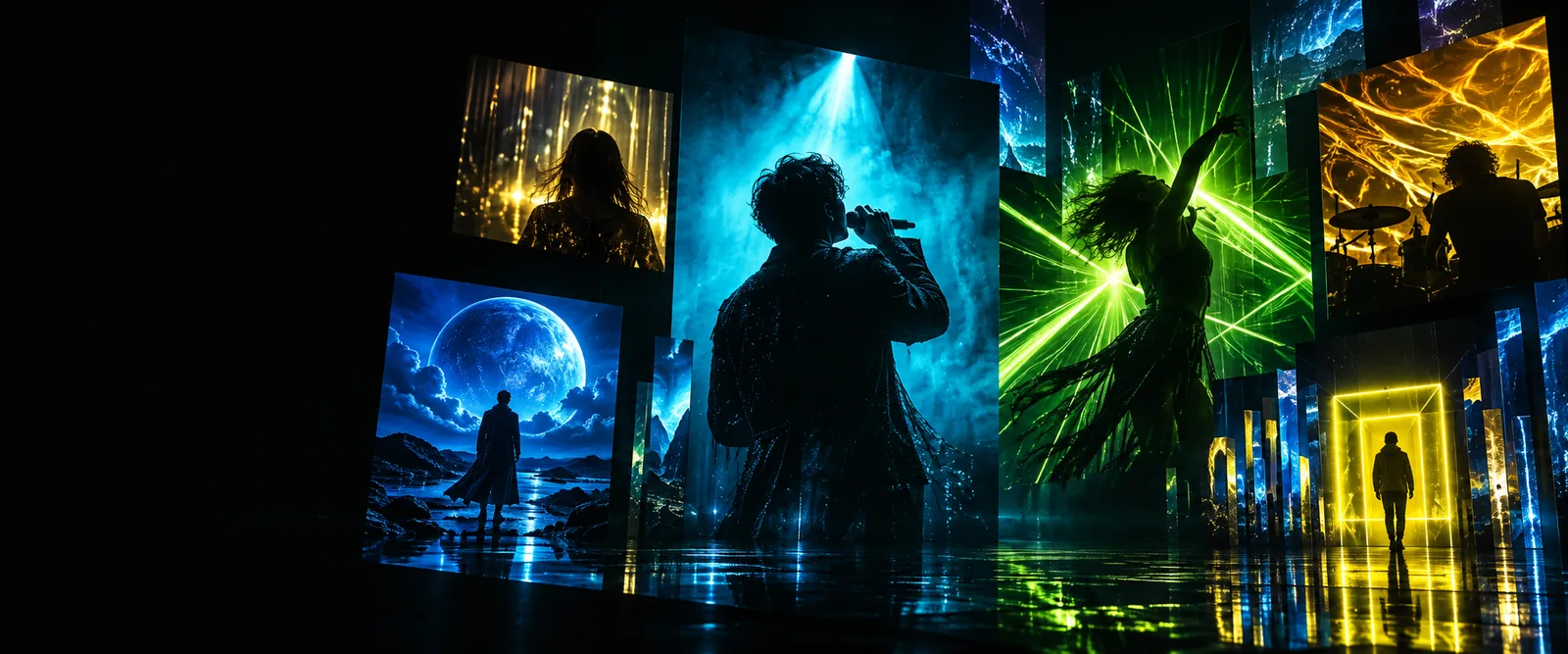
Creative music scene with a performer surrounded by colorful light

How it works

Freebeat turns a broad creative intention into a sequence of decisions that is easier to review and revise.

  1. 1

    Describe the direction

    Start with a musical or visual idea: mood, genre, subject, setting, energy, or the kind of audience you want to reach.

  2. 2

    Generate a concept

    The system interprets that direction and develops an AI-assisted result, giving you something concrete to hear, see, compare, or refine.

  3. 3

    Shape the result

    Review the output against your goal, adjust the creative direction, and keep the parts that support the final project.

What it can and cannot do

A useful definition includes the boundaries. Freebeat helps with creative development, but it does not remove the need for review.

1

It cannot guarantee a finished masterpiece

AI output can be interesting, uneven, generic, or inconsistent with the original idea. A first result is a starting point, not an automatic final release.

What to do instead

Use several iterations and judge each one against a clear reference for mood, structure, and audience.

2

It cannot decide your rights position

A generated track or visual may still raise questions about permissions, platform rules, samples, likenesses, or commercial use.

What to do instead

Check the applicable terms and clear any third-party material before publishing or monetizing a project.

3

It cannot replace artistic direction

The system responds to the information it receives; it does not know your brand, story, or personal taste unless you express those requirements.

What to do instead

Give specific context, then edit the result with a human point of view.

4

It cannot make every output consistent

Style, timing, details, and performance qualities may vary between generations or revisions.

What to do instead

Keep the strongest elements, simplify the brief, and refine one change at a time.

From a brief to a creative scene

The visual side of Freebeat is easiest to understand as a bridge between a written brief and a presentation-ready direction.

AI-assisted performer concept in a vivid creative environment Start with intent

Step 1

Turn a mood into a visual direction

A short description can establish atmosphere before production begins. Instead of starting with an empty timeline, you can define a setting, color feeling, performer, movement, or narrative cue and use the result to discuss the project with collaborators.

  • Clarify mood and setting
  • Create a reference for collaborators
  • Test a direction before committing to production

Stylized music performance scene with coordinated lighting Build the world

Step 2

Connect music thinking with motion

Freebeat is useful when a song needs more than audio in isolation. A visual concept can help shape pacing, imagery, and the emotional arc of a music presentation while leaving room for human editing and final decisions.

  • Explore an audiovisual relationship
  • Compare alternate creative directions
  • Keep the strongest ideas for production

Who uses it

Freebeat is most useful when someone needs a fast, discussable creative direction rather than an entirely hands-off production process.

Songwriters and producers

They can use Freebeat to explore moods, arrangement ideas, or a visual identity before deciding which parts deserve deeper production.

Video creators

They can develop a musical and visual starting point for edits, short-form content, trailers, or concept presentations.

Brands and marketers

They can test the emotional character of a campaign concept and communicate a direction before a full shoot or recording.

Visual artists

They can use AI-assisted music and scene ideas to expand a visual project, installation, performance, or narrative world.

How this format evolved

Freebeat belongs to a broader shift from isolated generation toward iterative creative workflows.

  1. Tools move creation onto the screen

    Digital audio workstations and editing software made recording, arranging, and revising more accessible without requiring a traditional studio for every step.

  2. Creators work across formats

    Music, video, graphics, and publishing became increasingly connected, so a song concept could be developed alongside a visual identity and distribution plan.

  3. Ideas become interactive inputs

    Written prompts and structured instructions began helping creators explore sounds, scenes, and variations before committing to a single direction.

  4. The workflow becomes collaborative

    The strongest use of Freebeat is not blind automation; it is a loop in which a person sets the intent, reviews the result, and makes the final creative choices.

From rough idea to usable direction

The contrast is less about replacing the creator and more about giving an unfinished idea a form that can be evaluated.

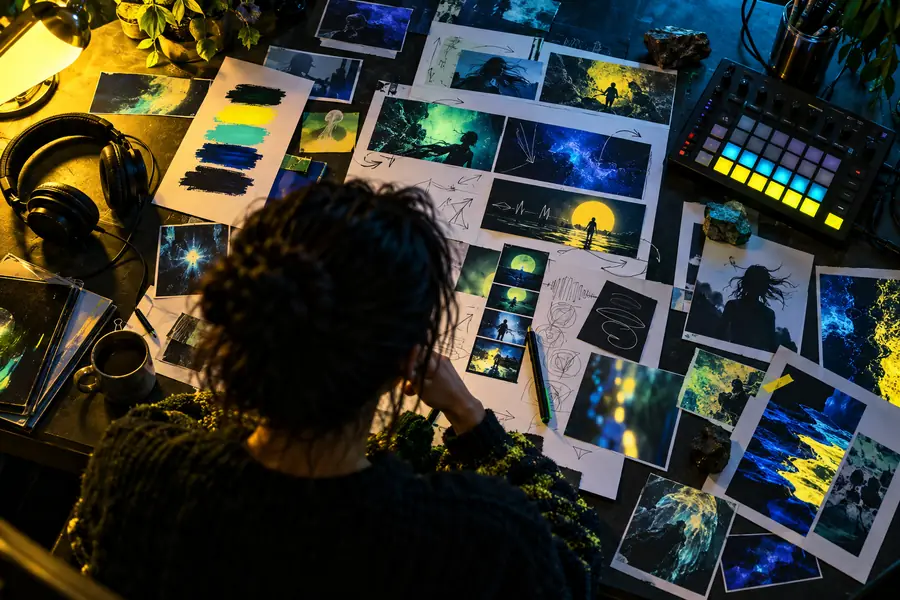
Early creative brief for an AI-assisted music project
Starting brief
Developed AI-assisted music and visual concept
Developed direction

AI accelerates the first draft; people decide what stays.

Starting briefDeveloped direction

Put the definition into practice

If the workflow sounds useful, take a concrete idea into Freebeat and use it as a starting point for exploration. Begin with the mood, audience, and creative outcome you want to test, then review the result with the same care you would give any early draft.

  • Start with a specific creative intention
  • Treat the first result as a draft
  • Review rights and quality before publishing
Explore AI music

Freebeat AI music FAQ

These answers address the basic definition and workflow questions behind the search for Freebeat.

Freebeat AI music refers to using an AI-assisted workflow to develop music ideas and related creative direction. It can help turn a written intention into something concrete that a person can review, revise, and use as part of a larger project.

Freebeat can be understood as part of the AI music generation space, but the useful distinction is the workflow around the output. The person still provides direction, evaluates the result, and decides how any generated material fits the final work.

The process begins with creative instructions such as mood, style, subject, setting, or intended use. The system interprets those instructions and produces an AI-assisted result that can be compared with the original goal and refined through further direction.

It may help develop a substantial starting point, but you should not assume that every output is release-ready or suited to your exact needs. Arrangement, editing, originality checks, rights review, mixing, and final artistic judgment may still be required.

It can be useful for songwriters, producers, video creators, marketers, and visual artists who want to explore a direction quickly. It is especially helpful when a team needs a tangible concept to discuss before investing in a full production.

Create a video
Create a video